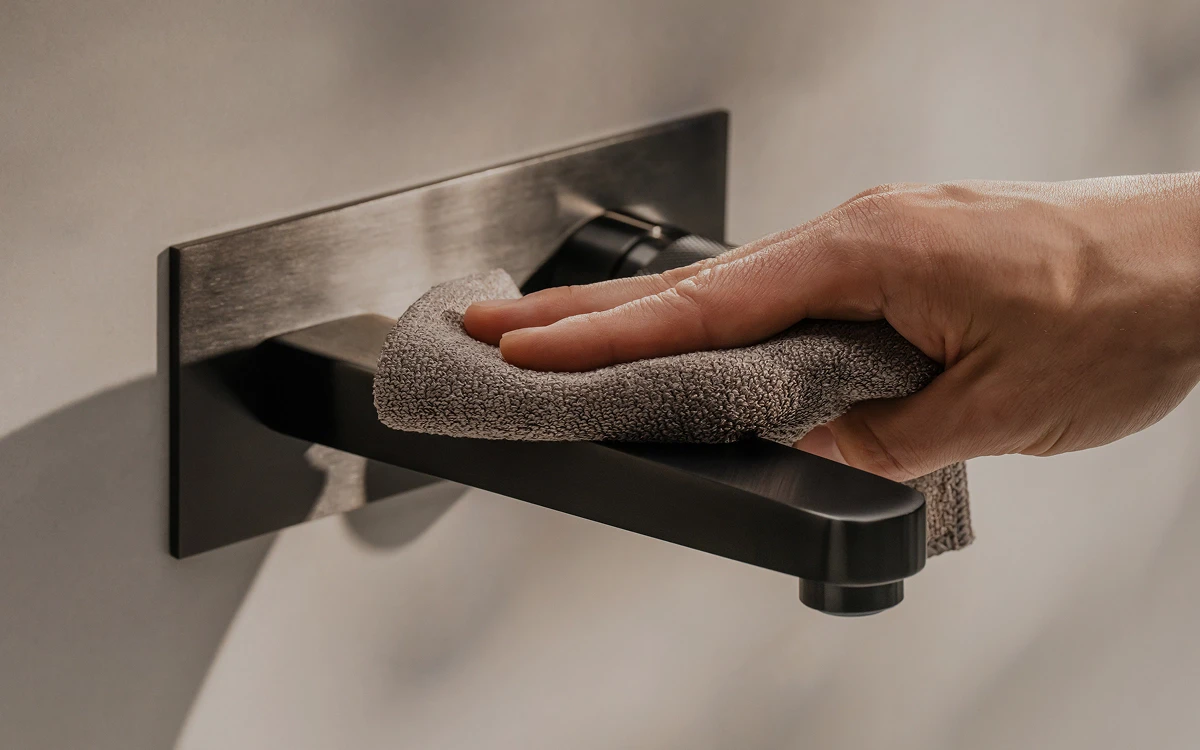
CRAFT OF CREATION | COI Studio
At COI Studio / Craft of Interior, design is understood as a multi-layered process that begins with conversation, emotion and intuition, and culminates in a precisely composed form. Monika Rogusz-Witkoś combines sensuality with modernist discipline, treating the interior as a story that unfolds gradually over time. In her work with clients, Monika consciously sets aside her own preferences. Every project becomes an individual composition – balanced, expressive and open to the personal narratives and life moments of those who inhabit it. In an interview with OMNIRES, the designer reflects on her dream home, working with emotions and the senses, and the essential role of materials, textures and details in creating comfortable, authentic interiors.
Photos and videos: ZASOBY STUDIO | Interview: OMNIRES Editorial Team
A MODERNIST STORY
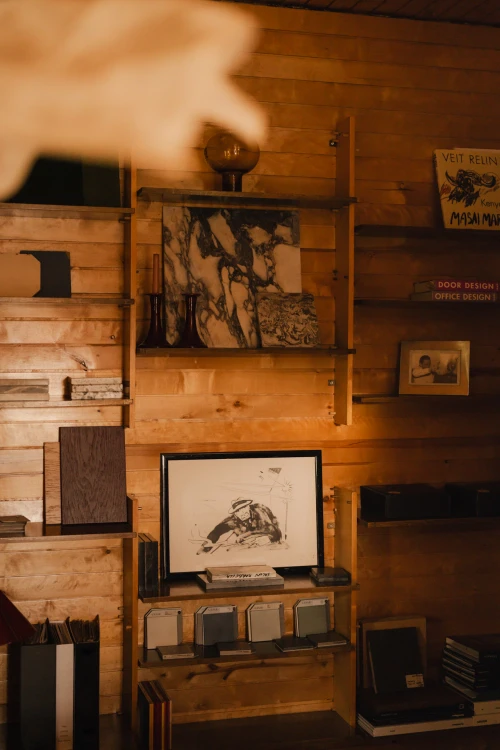
A historic villa in Wrocław, shaped by the spirit of 1970s American modernism, has become both the home and workplace of Monika Rogusz-Witkoś – and a natural expression of her aesthetic sensibility. Designed by architect Waldemar Wawrzyniak for the eminent mathematician Professor Andrzej Hulanicki, the house served for many years as a meeting place for the worlds of science and art. To this day, the building retains its distinctive character, and its interiors preserve traces of those who once lived and worked within its walls. In this space – the fulfilment of the designer’s dream – family life and the creative work of COI Studio / Craft of Interior intertwine into a single, coherent story.
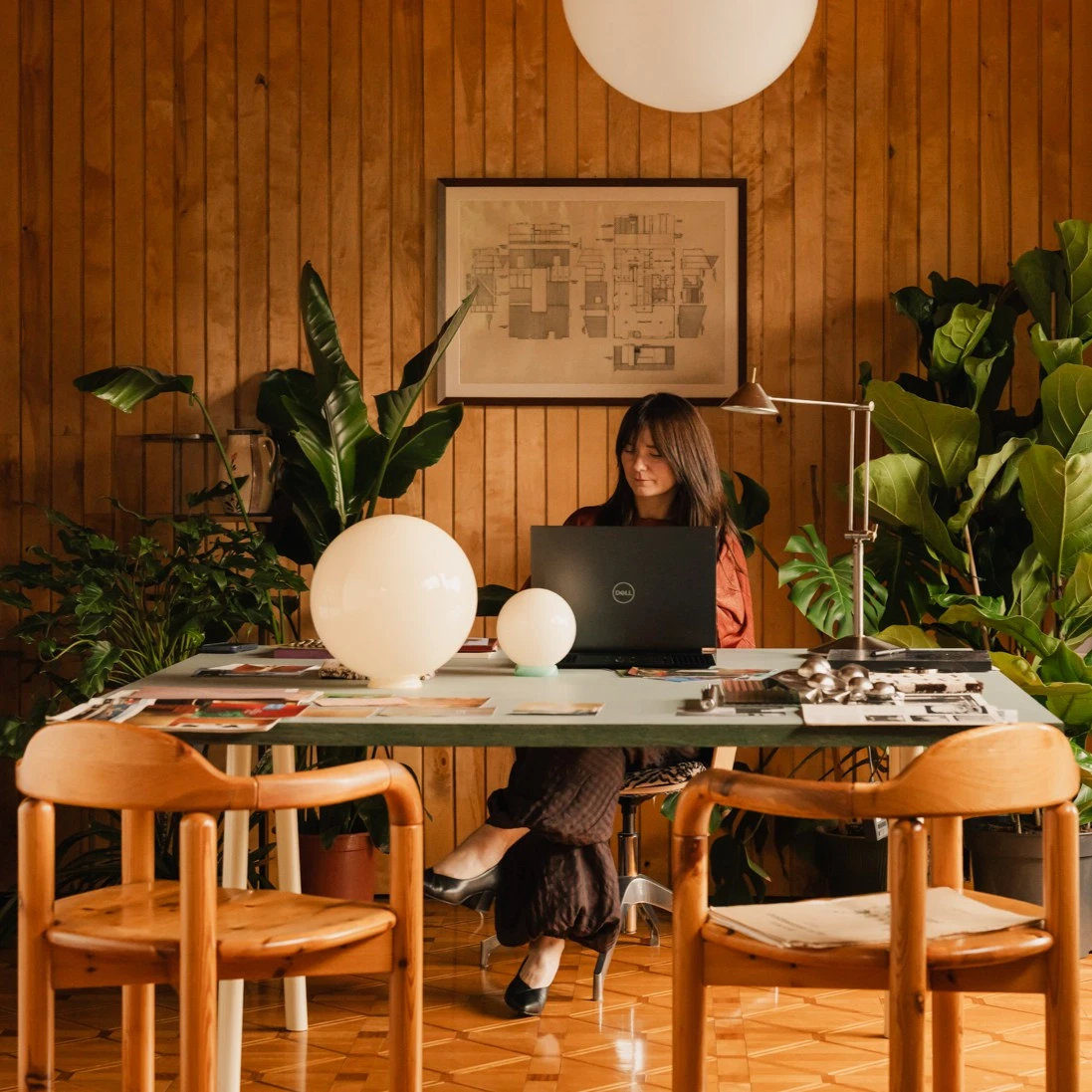
Do you identify with the style of your house as a designer?
I find the style and atmosphere of this house incredibly familiar. They reflect both my way of thinking about architecture and interiors, as well as my personal design journey. My earliest and strongest fascination was 1970s modernism, especially American modernism – not strict functionalism, but organic modernism, which later evolved into various movements, including the Laurel Canyon style. I have always felt a deep affection for it; even my master’s thesis was rooted in this aesthetic. Over time, my design language has evolved. I dislike repetition – I cannot do the same thing for years. Yet even when my projects differ formally, I feel I am consistently developing a distinctive language that remains recognisable as our studio’s.
What defines you most as a designer? How would you describe your identity?
I don’t think I can define myself in general terms, because I approach the design process in a very complex way. My identity shifts depending on my relationship with another person, and on how I think about form and space. If I were to describe our studio’s style in two words, they would be sensuality and modernism. On the one hand, there is emotionality and sensuality – a layer focused on inner comfort and well-being as experienced through space. On the other, a fascination with modernism, proportion, rhythm and structural rigour. This doesn’t mean that every project I create is modernist. Rather, this way of thinking remains present beneath the surface, even when the final form takes on a completely different expression.
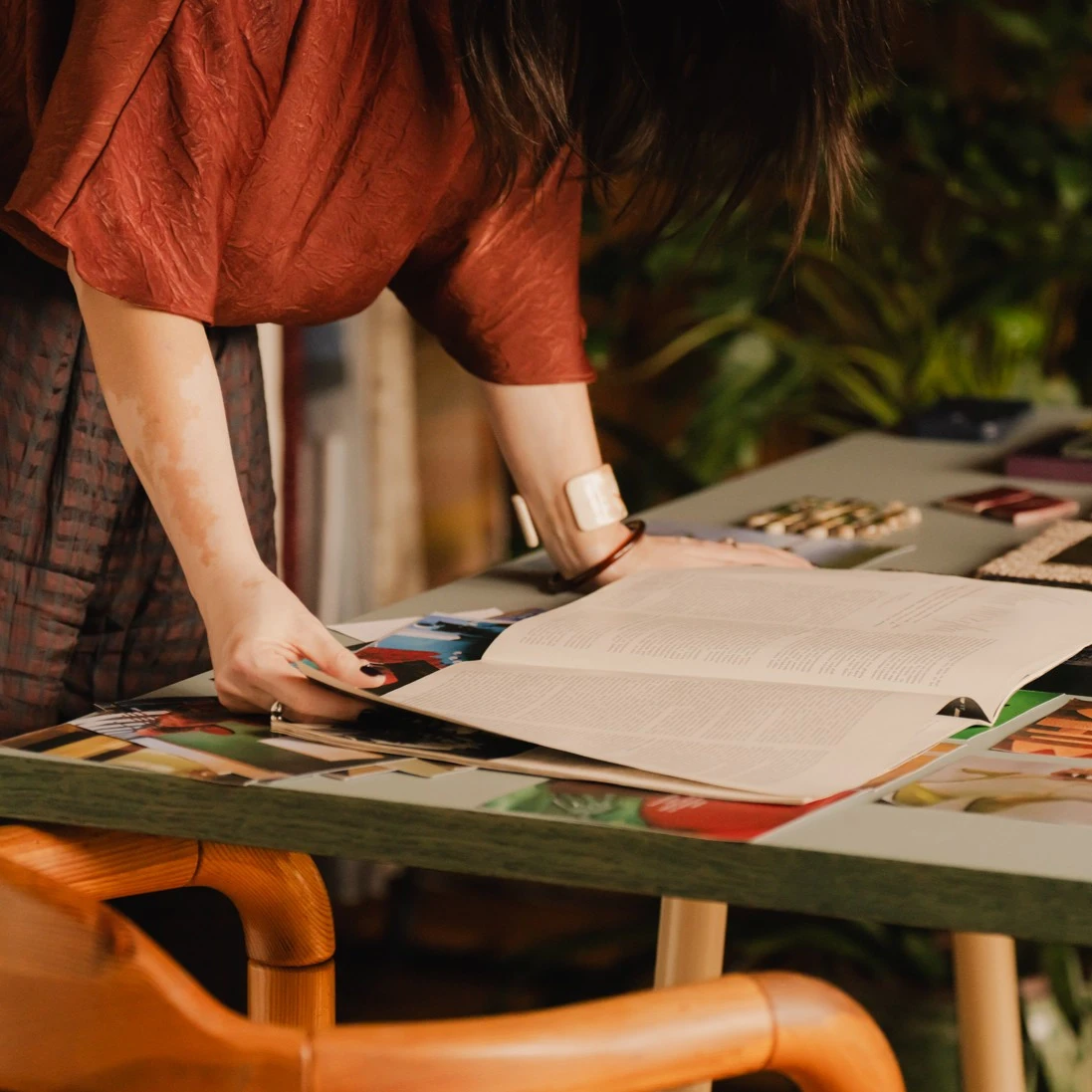
What tools do you use when entering the visual stage of a project?
I begin by creating a design map, followed by an initial mood board that is not yet linked to specific design decisions. It is an impression-based mood board that the client never sees. It includes magazine clippings, excerpts from art, quotations from books and sometimes single words. Music is also extremely important. I often ask clients what they like to listen to – it’s one of my “secret” questions that helps me quickly sense the emotional narrative of a project. Music allows me to enter a creative state beyond control and analysis. This first mood board is about freedom and exploration – playing with a theme, searching for atmosphere and gathering impressions without making decisions. The second mood board is created only at the end of the process. It consists of materials, colours and their relationships, and is closely connected to the visual concept developed throughout the project.
Where did the need to design your own objects come from?
I genuinely enjoy designing details and objects – furniture, lighting and bespoke carpentry solutions. Thanks to my close relationships with artisans, I can work in a highly individual way. This individuality deeply interests me, whether it comes from the client or emerges from the project’s narrative. In our designs, we rarely rely on standard solutions. Creating my own details and objects gives me immense satisfaction and a strong sense of creative freedom. At the moment, alongside COI Studio, I am developing a new brand – COI Object. This original brand will soon see the light of day. I consider it a natural next step in my professional journey.
What role do materials play in your projects?
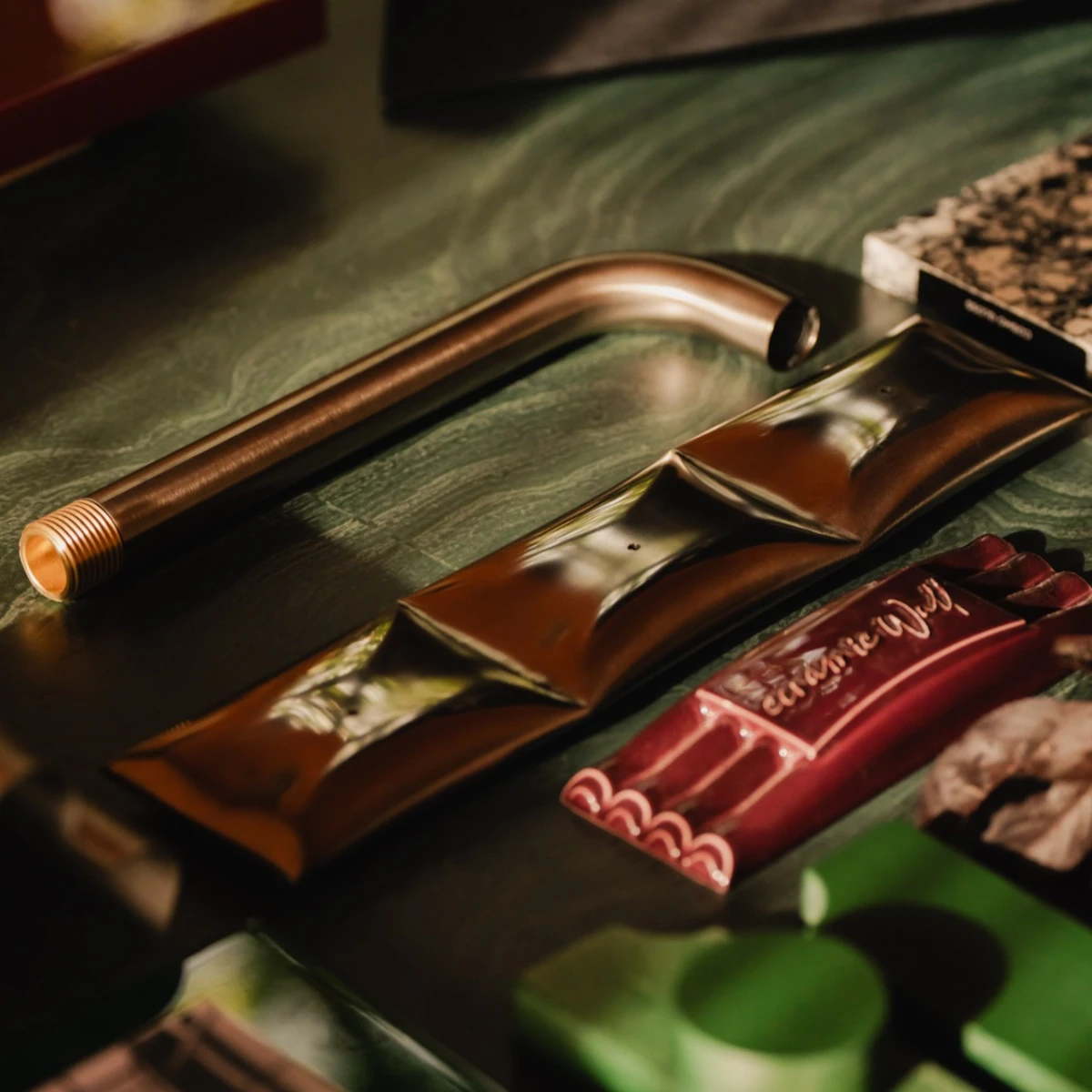
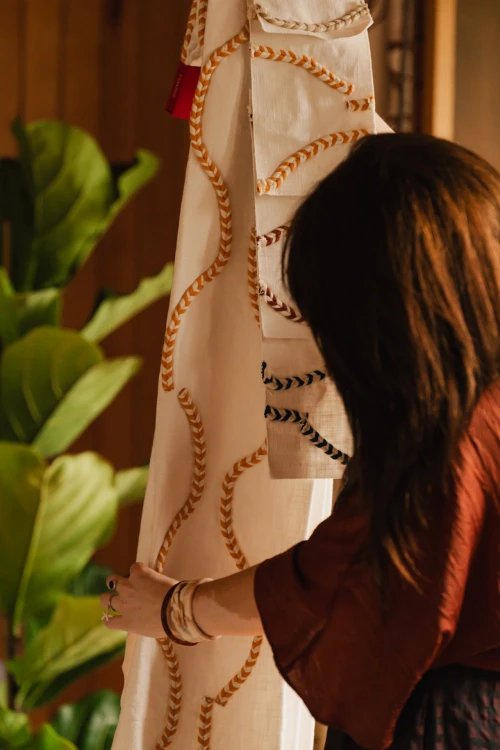
I approach materials with great respect. They carry emotional weight and are fundamental to the success of any project. Materials must not only appeal visually, but also provide comfort and a sense of safety. Sensuality in their selection is essential to my approach. We aim to create spaces people genuinely enjoy living in – interiors that are not only visually striking, but also nurturing and comforting in everyday life. That is why we work with noble, natural materials: high-quality fabrics, wood, stone, terrazzo, glass and metals. I particularly enjoy creating contrasts – pairing softness with coolness, smoothness with roughness. It is the interplay of colours, textures and materials that defines the visual identity of a concept.
How did you approach the materialboard prepared for OMNIRES?
I treated the materialboard like a musical composition, focusing on rhythm, melody and harmony. I assumed a largely monochromatic colour base, while introducing a wide range of material contrasts: rough versus smooth, warm versus cold, soft versus hard – almost on a positive and negative principle. These juxtapositions are meant to evoke emotions, stimulate the senses and even help regulate them. The material board created for OMNIRES is not a catalogue of ready-made solutions. It is a story about the inspiration stage – about relationships between materials and the dialogue they create. I wanted it to stimulate imagination and give courage to designers and audiences alike. It is meant to feel slightly mysterious, sensual and deliberately unobvious. In this composition, I combined stained wood with ceramics, terrazzo, stone, glass and expressive, bold fabrics. These are complemented by brushed nickel OMNIRES fittings, which beautifully balance the softness of the materials. I am drawn to such combinations – materials that “converse” with one another and ultimately come together to form a harmonious whole.
FROM EMOTION TO FORM
Monika's design process is rooted in attentive, multi-stage dialogue – with both people and space. Emotions and language form the starting point, shaping the project’s narrative and direction even before visual references or formal solutions emerge. Only later does the process move towards analysing the context of the place – its history, architecture and atmosphere – filtering all impressions through the designer’s intuition. The final stage is a creative act in which emotions and observations are translated into tangible form: spatial layout, shapes and the careful selection of materials that together create a cohesive space tailored to the user’s needs.
In my projects, not everything reveals itself at first glance. Much depends on the viewer. Some interiors are expressive and immediately striking, while others have hidden layers. To truly experience them, you need to return – in a different mood, at a different moment in your life.
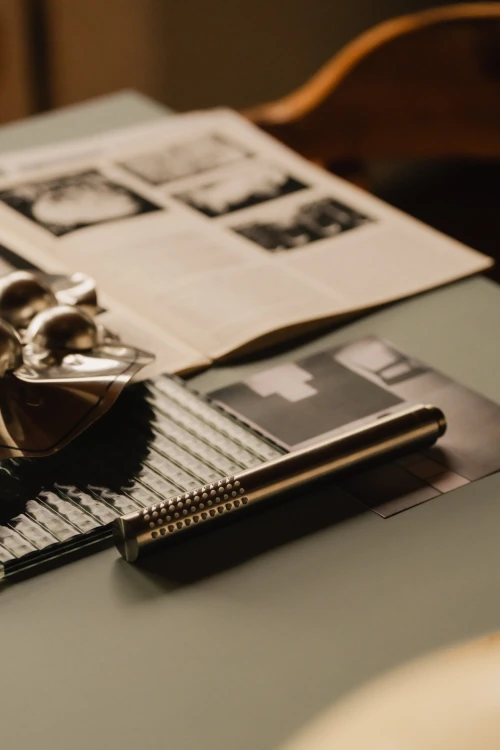
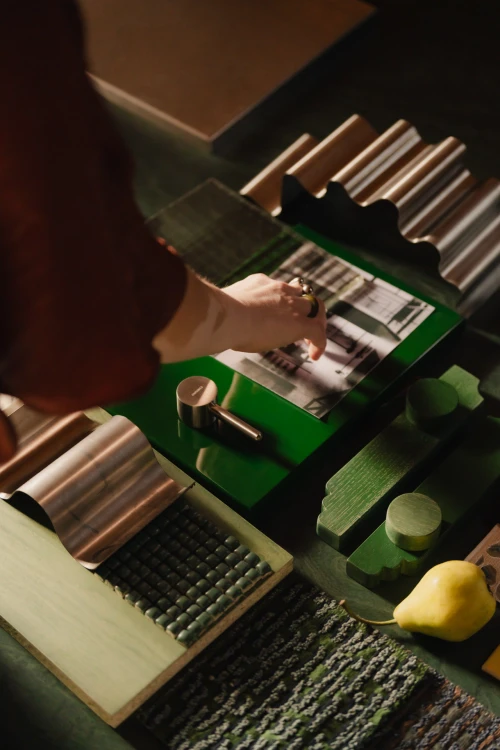
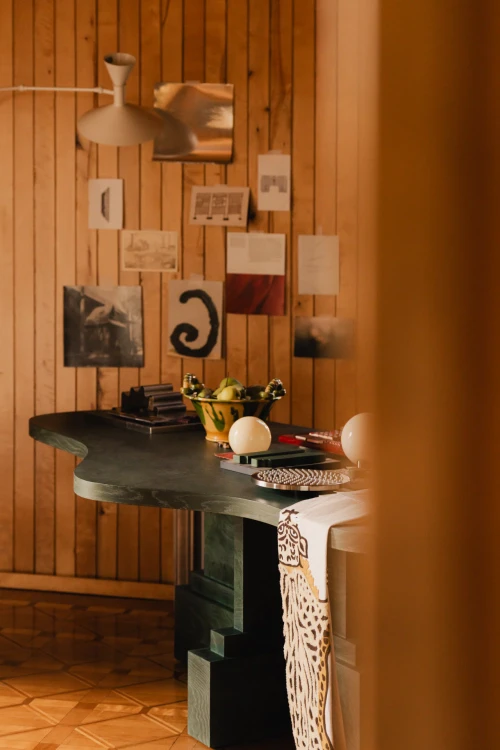
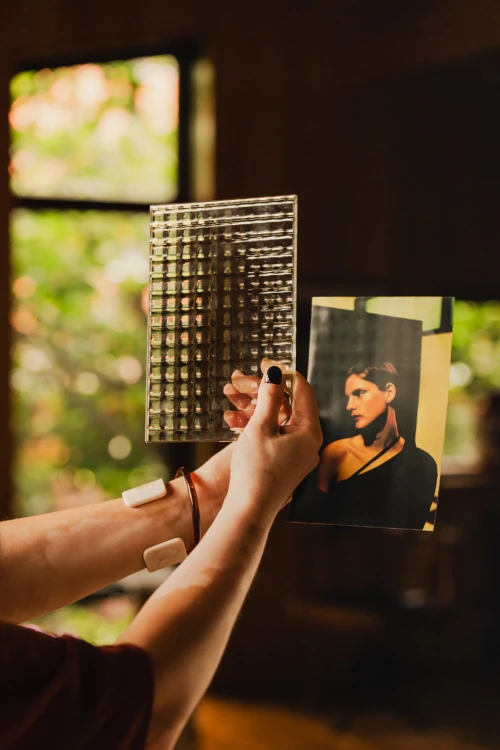
Soon, the OMNIRES Studio in Warsaw’s Powiśle district will be enriched with bespoke material compositions created by leading Polish interior designers, including Monika Rogusz-Witkoś of COI Studio / Craft of Interior. Her materialboard tells a sensual story about the relationship between materials built on rhythm, harmony and subtle contrasts. The composition is unified by fittings from the OMNIRES Y collection in brushed nickel, bringing the entire concept together into an elegant, multi-sensory whole.